Warning for Murcia dog owners as dangerous processionary caterpillars arrive early
Region of Murcia vets are urging immediate action if pets come into contact with the toxic pests
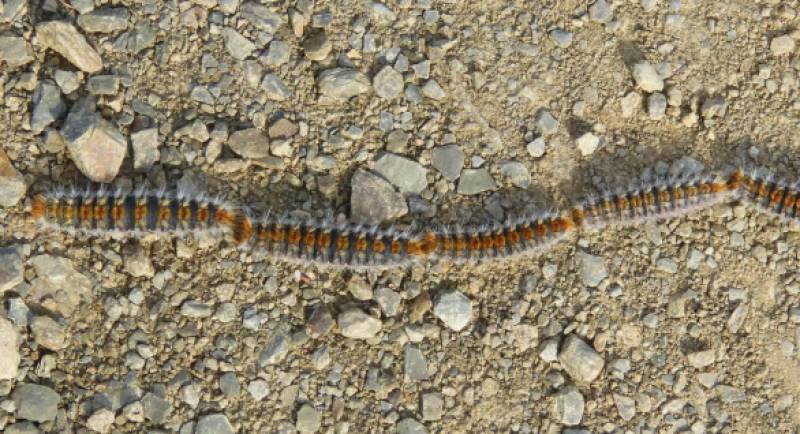
The pine processionary caterpillar has started descending from trees across wooded areas of Murcia and vets are increasingly concerned about the threat to pets. Although these larvae typically appear towards the end of winter, Murcia's warmer climate means they're showing up earlier than usual, despite the recent torrential rain.
Unfortunately, the first serious cases in dogs have already been reported.
The Official College of Veterinarians of the Region of Murcia has confirmed that clinics are already seeing dogs with symptoms consistent with contact or ingestion of the pine processionary.
When a dog approaches these caterpillars, the consequences can range from uncomfortable to life-threatening. Contact with the creature's stinging hairs can cause severe inflammation or even necrosis in the tongue.
"In some cases, it’s necessary to intervene surgically and cut it to prevent the animal from dying," the vet warned.
Although no deaths have been recorded in the Region of Murcia yet, it’s important to remember that time is absolutely critical in these situations. The most common symptoms in animals that touch or eat the caterpillars are "hypersalivation, swelling of the lips and tongue, vomiting, oral lesions and respiratory difficulty."
How severely a dog is affected depends on the level of exposure and how quickly you get them to a vet.
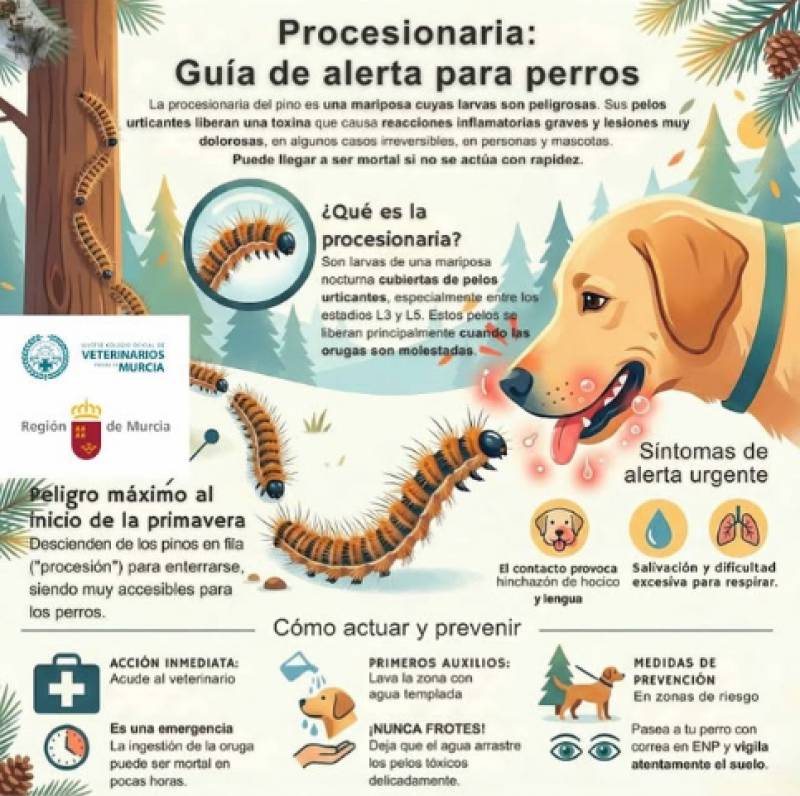
The College has launched an information campaign on social media in collaboration with the Ministry of the Environment and they're preparing to install warning signs on popular hiking routes.
One of the key messages from the campaign is the importance of keeping your dog on a lead at all times, and not just because it's the law.
"You can control what they are smelling or touching and prevent them from approaching the processions of caterpillars," Ms López explained.
The pine processionary (Thaumetopoea pityocampa) is a moth from the insect order Lepidoptera with an annual cycle that winters in the ground. It affects pine trees worldwide but is particularly common in the Mediterranean area, where it feeds on pine needles.
Its presence in the Region of Murcia is nothing new, but the southeast's climate is causing their cycle to advance, increasing the risk at times of year when dog owners might not be expecting it.
Murcian vets are adamant that if there's even the slightest suspicion of contact with a processionary caterpillar, don't waste a second. Wash the affected area with water without rubbing and get to a veterinary centre immediately. Acting quickly could make all the difference.
Images: Pixabay/Colegio Oficial de Veterinarios de la Región de Murcia











 Spanish News Today
 Alicante Today
 Andalucia Today


 The College has launched an information campaign on social media in collaboration with the Ministry of the Environment and they're preparing to install warning signs on popular hiking routes.