Date Published: 10/09/2026
Why the Mar Menor law is being changed and why so many people are angry
Opponents fear weaker penalties for farmers could make it harder to protect Spain’s largest saltwater lagoon
The controversial reform of Murcia’s
Mar Menor protection law has taken its first major step forward, but the changes are already causing a furious row between the regional government, farmers, environmental groups and opposition parties.
The Regional Assembly voted on Wednesday September 9, to allow the Partido Popular’s (PP) proposal to begin its journey through parliament. This does not mean the law has been changed yet. The proposal must still go through further debate, hearings and amendments before a final vote.
But what is actually being proposed, and which exactly is it causing so much furore?
The PP says its main aim is to bring the Mar Menor’s rules on environmental penalties into line with Spain’s national legislation. The party insists this will not reduce protection for the lagoon.
Under the current system, certain sanctions can prevent those affected from receiving public subsidies. The proposed reform would allow individual circumstances to be taken into account rather than automatically excluding a sanctioned business from receiving aid. PP spokesperson Joaquín Segado described the change as essentially altering just one word in the legislation.
That may sound like a small technical change, but it’s actually one of the main reasons environmental groups are so worried.
Critics argue that if businesses can continue receiving public money after being sanctioned, the penalties lose some of their power to deter people from breaking the rules. University of Murcia law professor Eduardo Salazar has also warned that moving sanctions into the general national system could remove some of the specific protections currently provided by the Mar Menor law.
José Ángel Antelo and Virginia Martínez, former Vox members who now sit outside the party, also want
Fuente Álamo removed from the area covered by the law, arguing that its groundwater is not connected to the Mar Menor.
The argument matters because the Mar Menor is not simply a beach or tourist attraction. It’s a unique and environmentally sensitive saltwater lagoon whose health has been
seriously damaged by pollution and excess nutrients entering the water. The rules introduced in recent years were designed to reduce those pressures, particularly from agricultural activity around the Campo de Cartagena.
Environmental organisations, trade unions and local residents therefore fear that weakening penalties now could undo some of that protection. Hundreds of people demonstrated against the proposed changes in Murcia on Wednesday, with opponents arguing that the existing law should be properly implemented before it is rewritten.
The PSOE has also promised legal action if the reform eventually becomes law, while Podemos has argued that parts of the proposal could conflict with European environmental legislation. The PP, meanwhile, insists the aim is not to abandon the Mar Menor but to find a balance between protecting the lagoon and allowing the agricultural sector to continue operating.
For now, nothing has been finally changed. The existing Mar Menor law remains in force while the proposed reform moves through the Assembly.
What happens next could nevertheless be hugely important. The final wording will determine how seriously environmental breaches are punished, who can receive public money after being sanctioned and exactly which areas remain covered by some of Murcia’s toughest environmental rules.
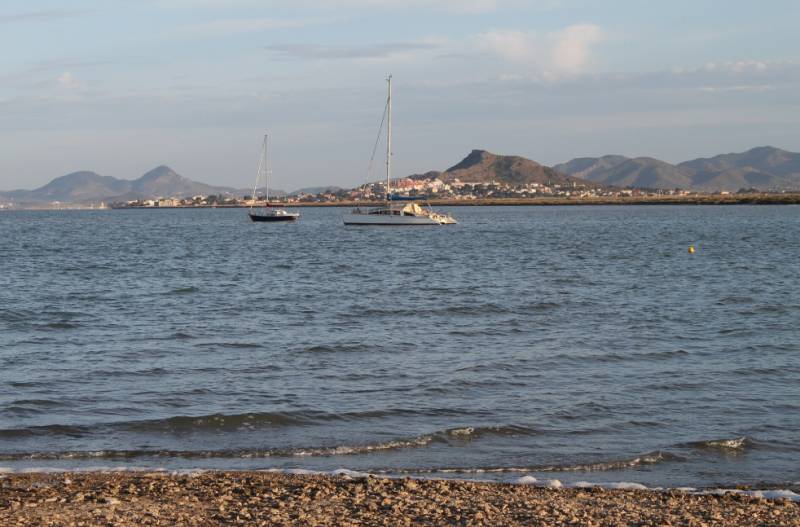
Image: Slick, via Wikimedia Commons, CC0 1.0
article_detail

|

















 Spanish News Today
 Alicante Today
 Andalucia Today